AI Technology Stack
We're not going to explain what large language models are. What you care about is whether the thing we build works, whether it's secure, and whether your IT team is going to be stuck with something fragile six months from now. Here's how the stack is set up.
AI Models & Reasoning
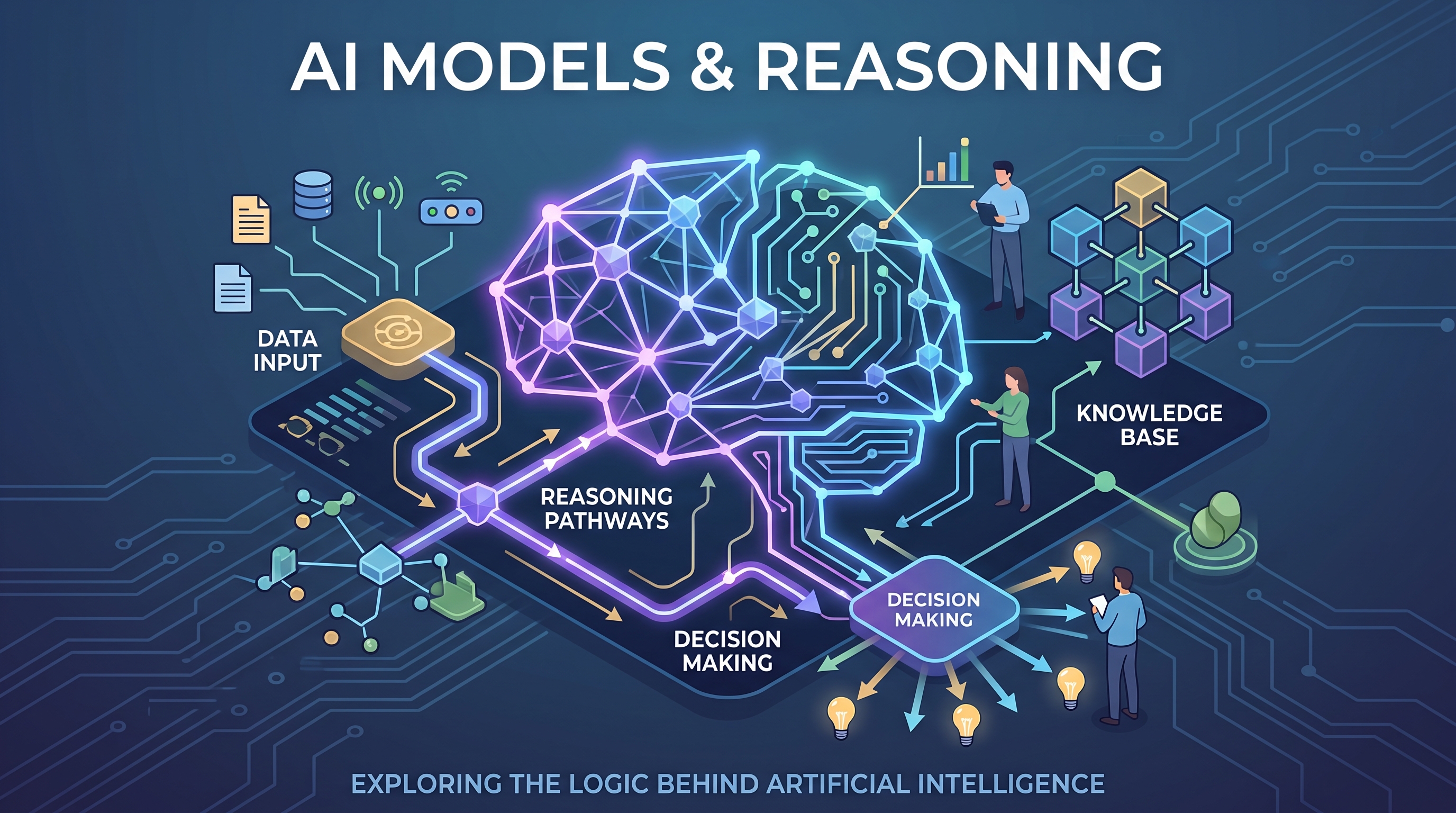
We use Claude, Google AI, and OpenAI. Each model is better at different things. Some are good at working through long, dense documents and pulling out what matters. Others are faster and cheaper when all you need is a quick classification or a short summary. So we pick based on what the task actually needs, not based on which vendor we happen to have a contract with.
That also means you're not locked in. If something better comes along, or if pricing changes, we can swap models without touching your workflows.
Workflow Automation
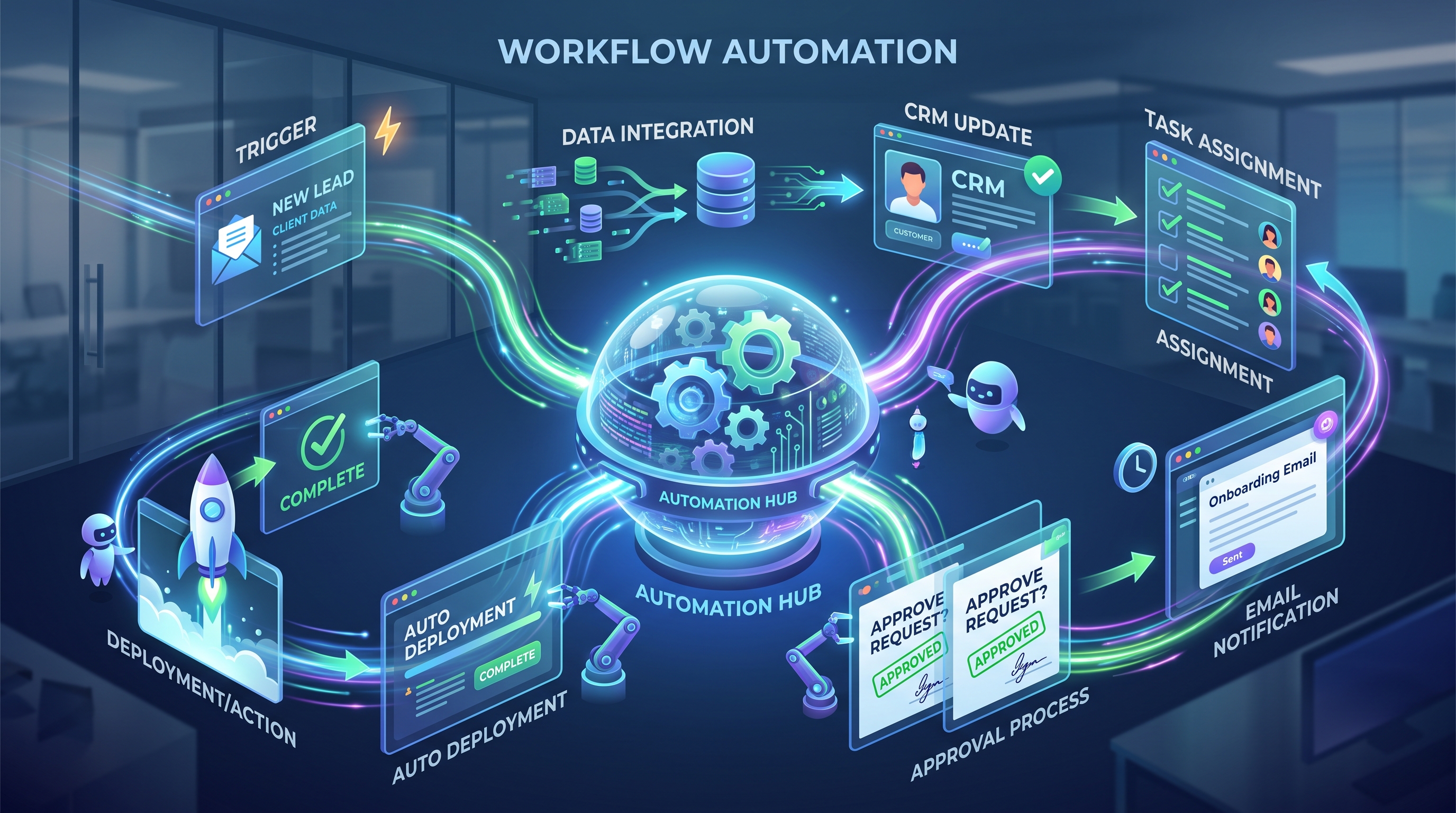
Something happens, the system reacts. That's the whole idea. An invoice lands in someone's inbox, and before anyone opens it, it's already been read, checked, and sent where it needs to go. A compliance deadline is two weeks out, the team gets a ping with the documents they'll need already pulled together.
We build these with automation platforms or custom integrations, whatever fits the tools you already have.
AI Agents
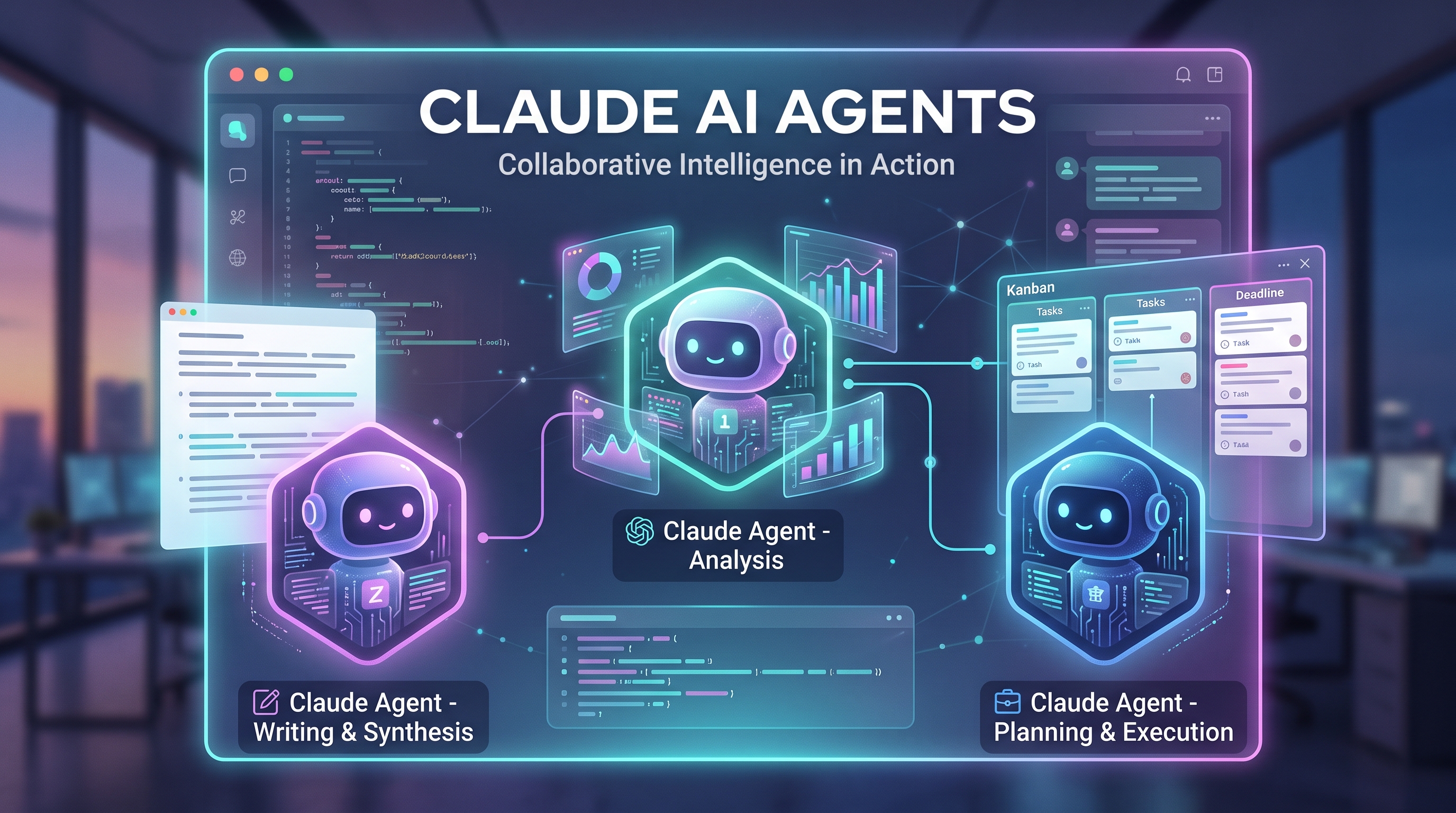
These aren't chatbots. Think about what it actually looks like when someone has to open four applications, pull up a few documents, cross check them, and then decide whether to update a record. That whole sequence is what an agent does on its own. It only brings in a person when something falls outside what it's been set up to handle.
Client intake, document routing, reconciliation, first pass reviews. The agent handles the repetitive parts so your team can spend their time on the judgment calls instead.
Knowledge & Retrieval
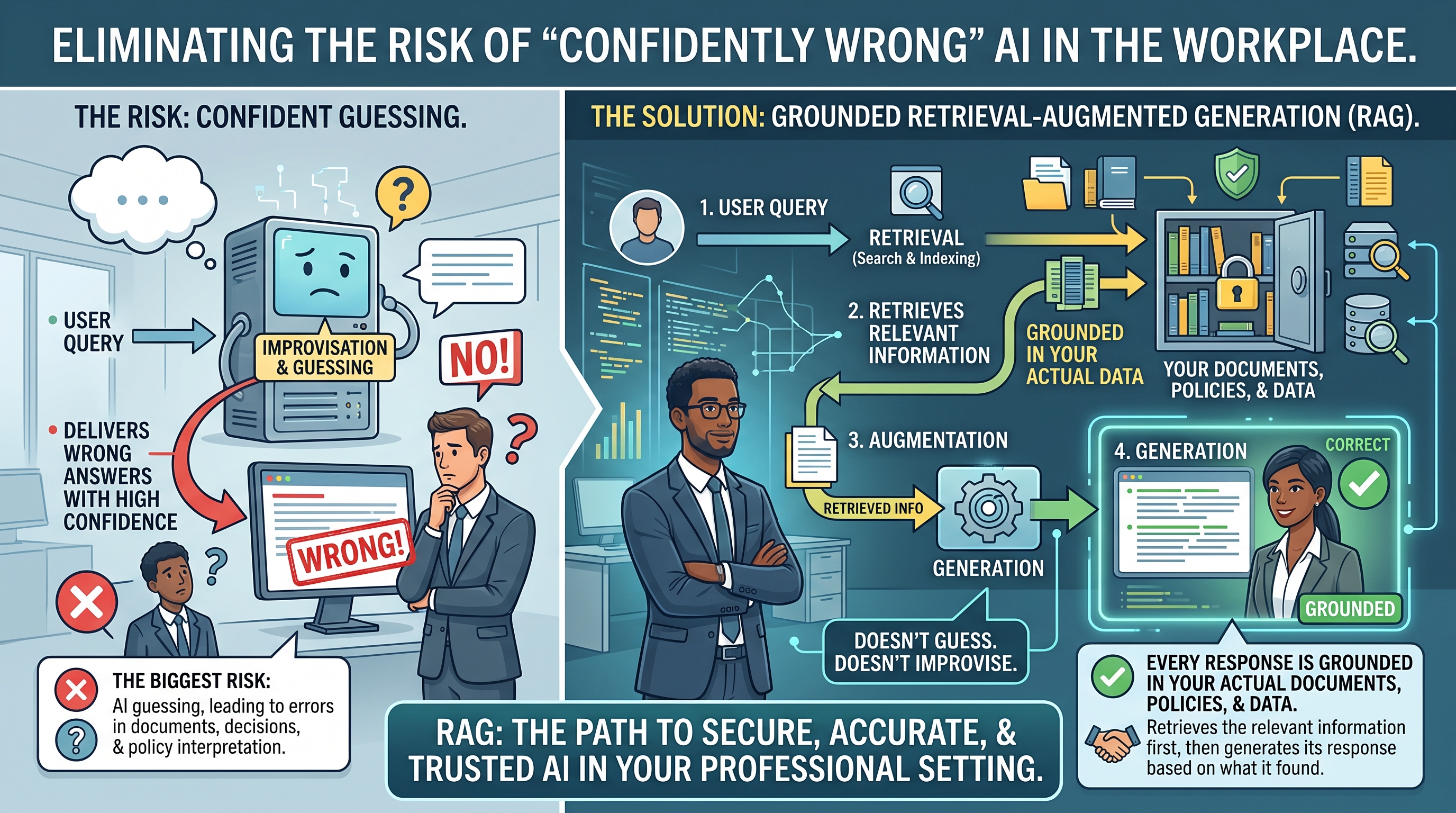
The real problem with AI in a professional setting is that it can be wrong and sound completely sure about it. We deal with that using retrieval-augmented generation. Instead of letting the model make things up, we make it look things up first. It pulls from your documents, your policies, whatever data you have, and writes its answer based on what it actually found. Not what it thinks the answer probably is.
That's why teams end up trusting it. It's not a smarter chatbot. It's grounded in their own information.
Security & Deployment
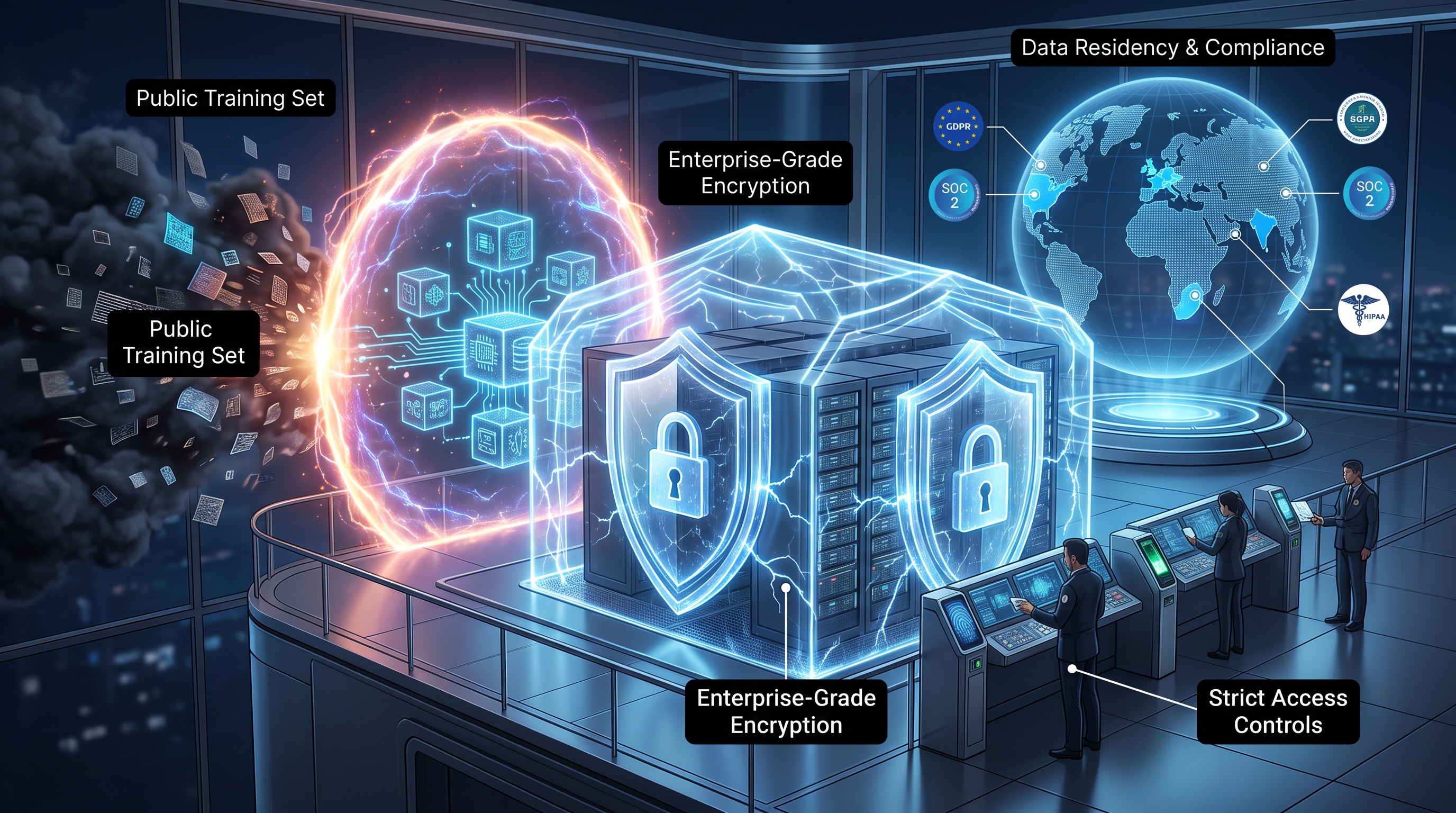
Your data never goes into a public training set. Everything we deploy is encrypted with access controls, and we configure data residency to match whatever compliance rules apply to you. If your security team wants the whole thing running inside your own cloud, that's how we set it up. We can also run it on fully isolated infrastructure if that's what they need.
Integrations
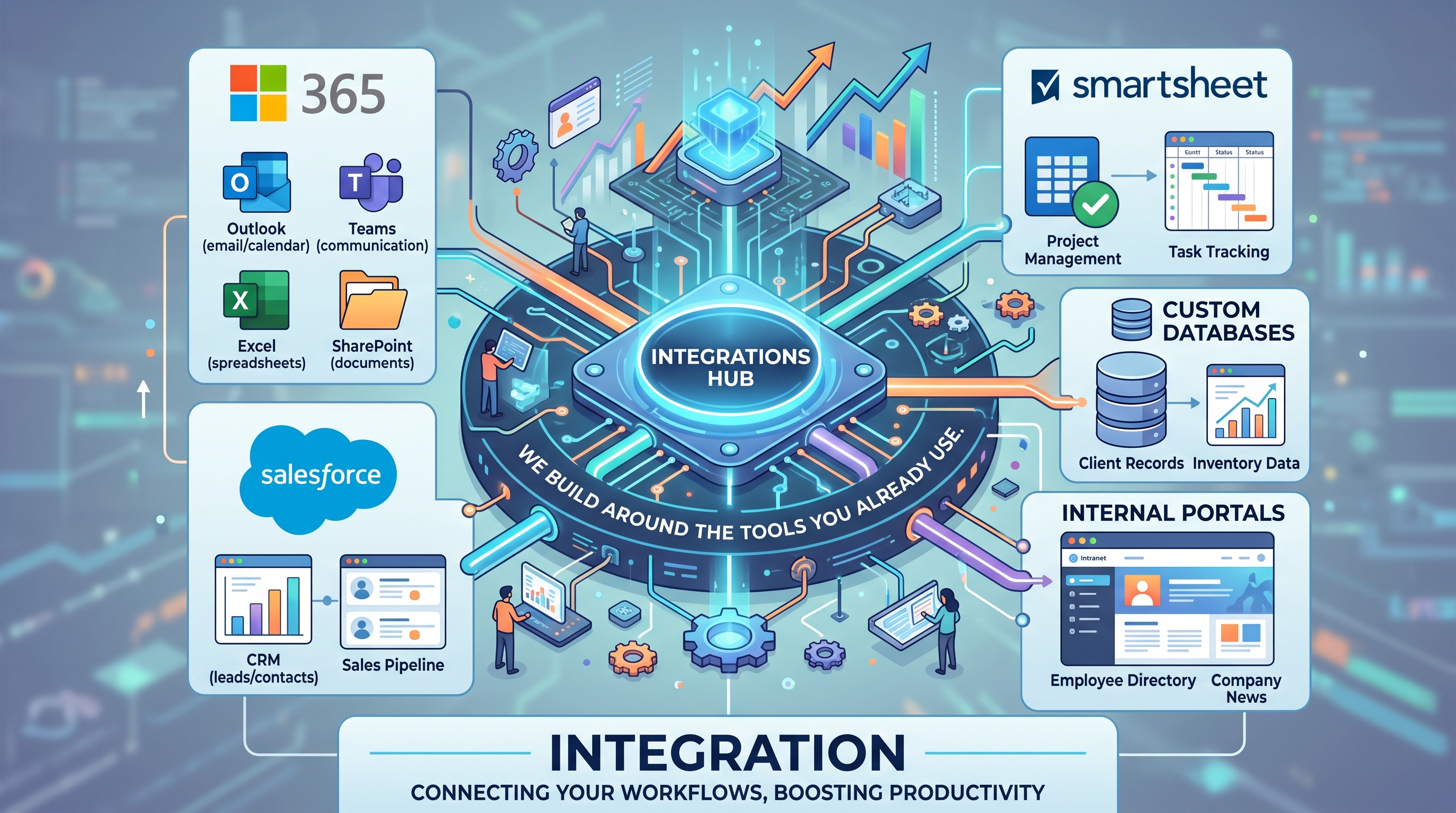
We connect into whatever you're already using. Microsoft 365, Smartsheet, Salesforce, your own databases, internal portals. The systems we build plug into that environment. Nobody has to learn a new platform or migrate off something that's working.
Have questions about how this fits your infrastructure?